


A sideboard is a piece of furniture that can do a lot of heavy lifting in a room: it brings order, acts as an anchor on the wall, and at the same time is the perfect stage for décor. And that's exactly where the problem lies: in everyday life, it quickly becomes a catch-all for everything. If you want to decorate your sideboard, it's not about buying "more décor." It's about styling the surface so it looks intentional and still feels functional in your daily life.
The good news: you don't need an interior design degree for this. Once you know a few simple principles, you can create a look that feels high-end without looking overdone. Whether it's decorating a modern sideboard, styling a white sideboard, or finding new sideboard décor ideas—the basic framework is always similar.
Table of contents
- The most important first step: clear it completely
- The basic formula: focal point + supporting piece + order
- Decorating a modern sideboard: how to keep it calm instead of cluttered
- Styling a white sideboard: warm instead of sterile
- Sideboard décor for the living room: what actually works?
- Decorating a sideboard vs. dresser: what's the difference?
- Common mistakes & quick fixes
- Bottom line
The most important first step: clear it completely
Before you place anything: clear the surface completely for a moment. This isn't a "clean-up lecture"—it's genuinely the fastest way to a better result. When the surface is empty, you'll immediately see: how long is the sideboard? How does it feel in the room? And most importantly: how much décor does it really need?
After that, you decide: what needs to stay visible for practical reasons, and what doesn't? This is exactly where the difference between "beautifully decorated" and "looks lived-in" comes from.
- things you use daily (like remotes, keys, matches)
- a source of light (lamp or candle)
- one or two décor pieces with character
The basic formula: focal point + supporting piece + order
If you're unsure, use this structure: focal point + supporting piece + order. It automatically makes your setup look planned instead of random.
- Focal point: something larger that sets direction right away (lamp, tall vase, or a large piece of art)
- Supporting piece: something that adds structure (ceramic, sculpture, small vase, or a neat stack of books)
- Order: a tray or shallow bowl so small items don't read as clutter
The trick isn't to fit as much as possible. The trick is making things work together. Once you've covered these three roles, your sideboard usually looks "done."
Decorating a modern sideboard: how to keep it calm instead of cluttered

Many people search for "sideboard decorating ideas," but really they want one thing: it should look modern—clean, organized, high-end. In this case, modern means: fewer pieces, good forms, and a little breathing room. When the setup gets too fussy, it reads as chaotic fast, even if each piece is beautiful on its own.
A modern look almost always comes from two things: height variation and repetition. Height variation because otherwise it all looks flat. Repetition because otherwise it feels like a collection.
A mini-rule that helps instantly: don't line up five small things in a row. Instead, pair two things together and make one noticeably bigger or taller.
Styling a white sideboard: warm instead of sterile
A white sideboard is wonderfully forgiving because white goes with almost everything. But it can quickly feel cold if you only combine smooth, light pieces and add cool lighting. The answer isn't more color—it's warmth through material and light.
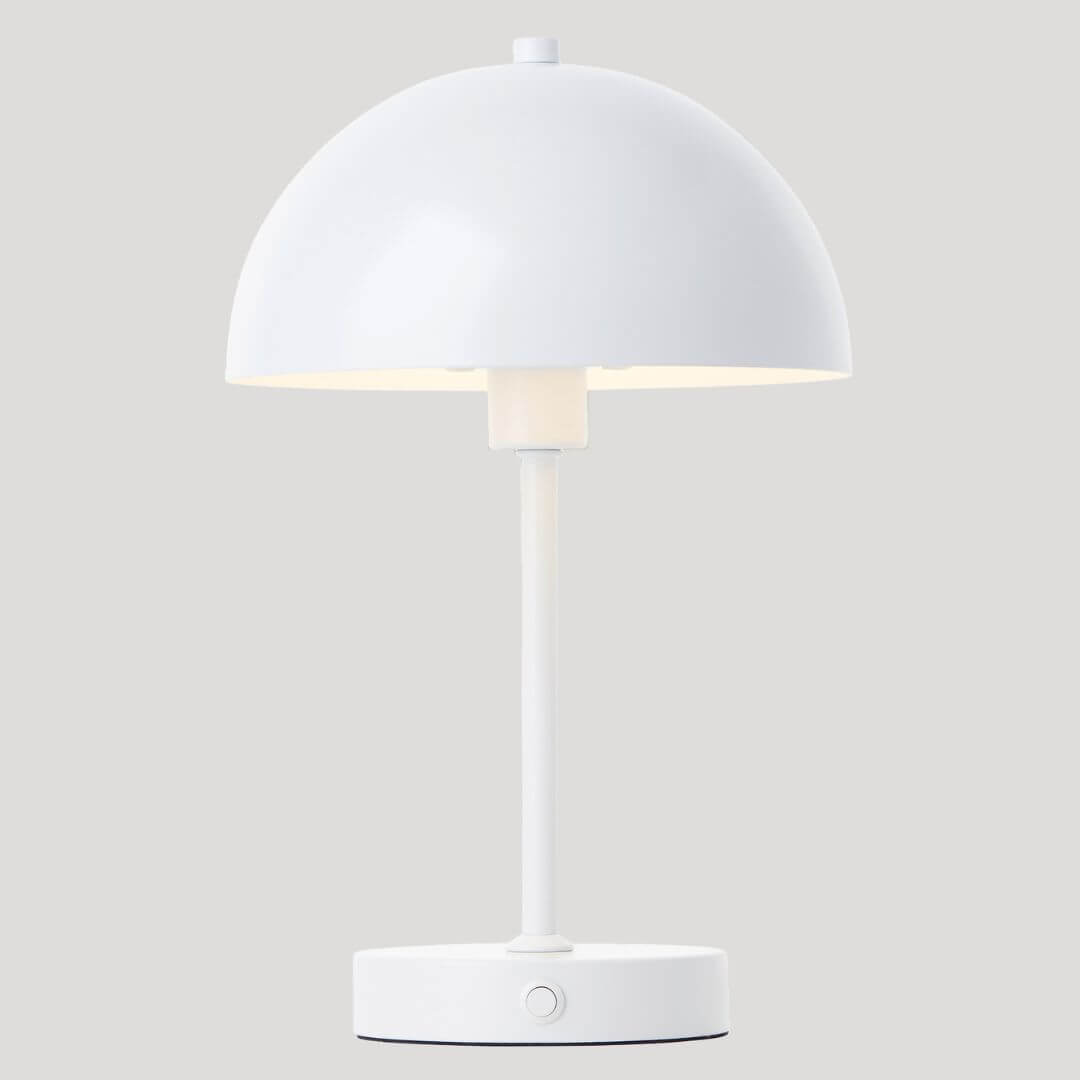
- warm light (lamp or candles—better 1–2 larger ones than many small ones)
- natural materials (wood, ceramic, linen, stone-look)
- a clear accent (like black/charcoal or brass as a detail)
If you want, you can add a very subtle color note (sage, sand, greige). The key is: one tone is enough.
Sideboard décor for the living room: what actually works?
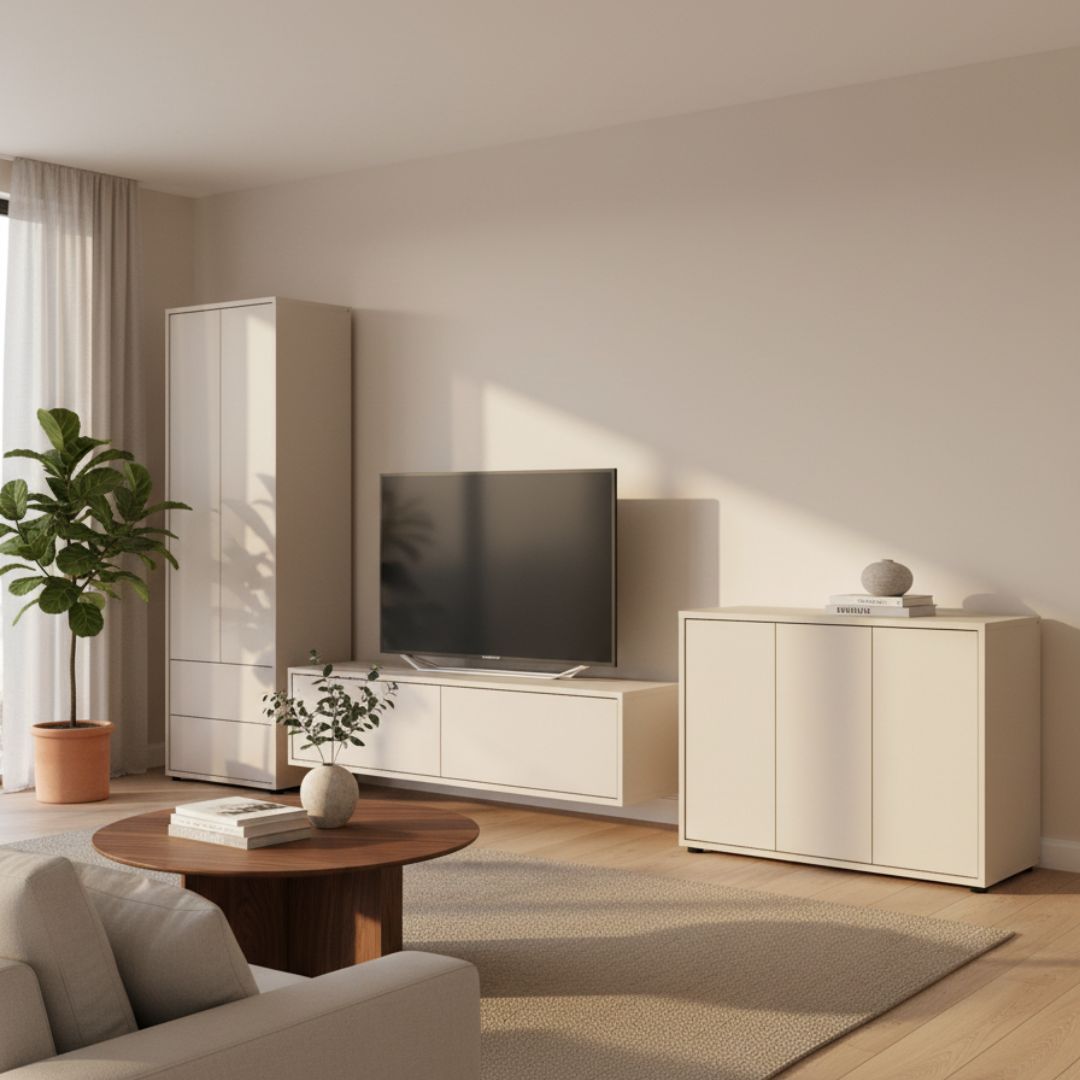
In the living room, the sideboard often competes with the TV, sofa, rug, and art. That means: décor shouldn't be "loud" here—it should pull the room together. Things that bring light or material feeling work especially well: a lamp, a large vase with branches, or a tray that corrals small items and makes order visible.

If your sideboard sits under a painting or next to the TV, keep the décor on the flatter side or deliberately off to one side—so it doesn't look like elements are stacking up. A big focal point on the left or right often feels calmer than lots of pieces in the middle.
Decorating a sideboard vs. dresser: what's the difference?
A lot of people search "sideboard decorating, dresser decorating" because the styling rules are similar. The difference is really context. Dressers usually sit in the hallway or bedroom and get heavier use (keys, jewelry, daily life). Sideboards in the living room are often more about presentation. That means: with a dresser, it pays even more to solve organization through bowls. With a sideboard, you can go a bit bolder with statements—just measured.
Common mistakes & quick fixes
Sometimes you place something and realize: it still doesn't look right. That rarely comes down to bad décor—it's almost always one of a few common pitfalls.
- too many tiny individual pieces (reads as chaotic fast)
- everything is the same height (looks flat and random)
- no organizational element (small items destroy the look)
- too many colors/materials at once (feels thrown together)
The two quickest fixes: remove one piece entirely. Or swap a small item for a larger one (like a bigger vase instead of two small ones). Often these two changes alone make your setup read as "intentional" right away.
Bottom lineIf you take away just one thing: your sideboard doesn't need much—it needs clarity. Clear the surface, set a focal point, add a supporting piece with structure, and solve everyday clutter with a bowl or tray. Then your sideboard won't just look good—it'll stay that way in real life.
If you're not just decorating but also ready to upgrade your whole living room setup: a mokebo sideboard brings the perfect base with its clean lines and calm aesthetic, so your décor automatically reads as "organized"—and you need less on top to make it feel high-end.