
Designing a functional and inviting home office is crucial for your productivity, creativity, and well-being. Whether you work remotely from home regularly or simply need a quiet retreat for tackling taxes, a thoughtfully designed office can help you complete your tasks efficiently. In this blog post, you'll learn how to set up your home office with desks, multi-purpose cabinets, and shelving for optimal organization.
Table of contents
- The importance of a well-designed home office
- Desks: The centerpiece of your home office
- Multi-purpose cabinets and shelving: Storage in your home office
- The right office equipment: From lighting to office chairs
- Inspiration for designing your home office
- Frequently asked questions about setting up a home office
The importance of a well-designed home office

A home office is more than just a room with a desk. It's a place where you can concentrate and be creative. The right setup for your office can help you boost your productivity and create a pleasant work environment. It's about finding a balance between functionality and aesthetics to create a space that's both practical and inspiring.
Ergonomics in the office: The foundation for health and well-being
An ergonomically designed workspace promotes your health and well-being, which directly contributes to higher productivity. Ergonomics means that your furniture and work tools are adapted to your body measurements and work habits to minimize strain. A poorly adjusted desk or office chair can quickly lead to back pain, tension, and even chronic issues. That's why it's important that your desk is at the right height to support a natural posture, and your office chair is properly adjusted to your height. An ergonomic mouse and keyboard, as well as a monitor stand that lets you position your screen at eye level, can also help prevent physical discomfort.
Lighting: Light as a mood setter in the home office
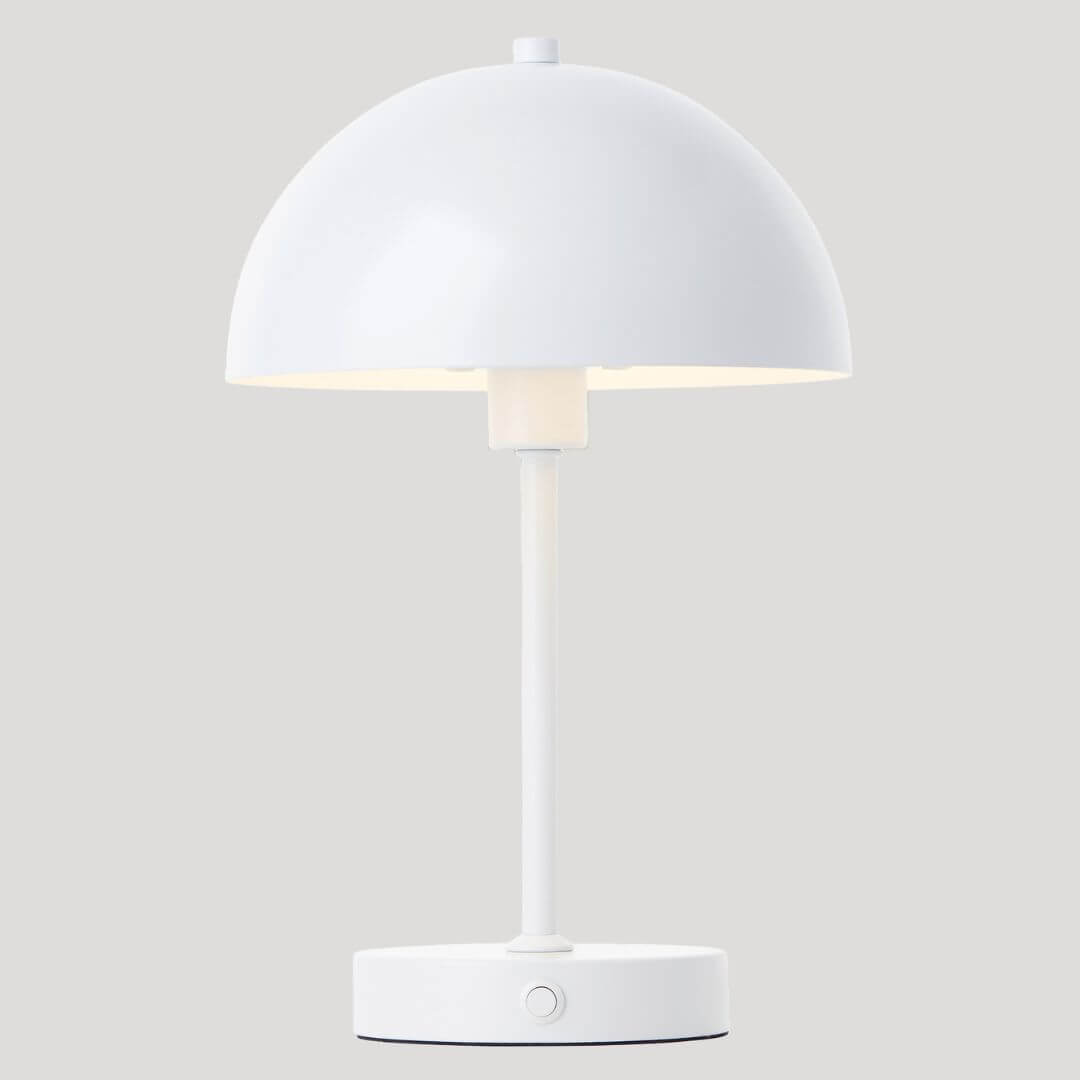
The right lighting is often an underestimated factor when designing a productive work area. Natural light is ideal because it's easy on the eyes and supports your natural circadian rhythm. If that's not possible, use daylight lamps or high-quality lamps near your workspace that provide glare-free, pleasant light. Indirect lighting and cordless desk lamps can also help create a comfortable atmosphere where you feel at ease and can work with focus.
Storage and organization: A tidy workspace
A well-organized workspace with plenty of storage promotes efficiency by keeping all the tools you need at hand while maintaining order—for example, with a filing cabinet. Clutter can not only distract you but also cause stress, which negatively impacts your productivity. With practical cabinets, shelving, and desk organizer systems, you can arrange your workspace so everything has its place and you can focus fully on your work.
Setting up your home office: Essential furniture for your office at home
Desks: The centerpiece of your home office
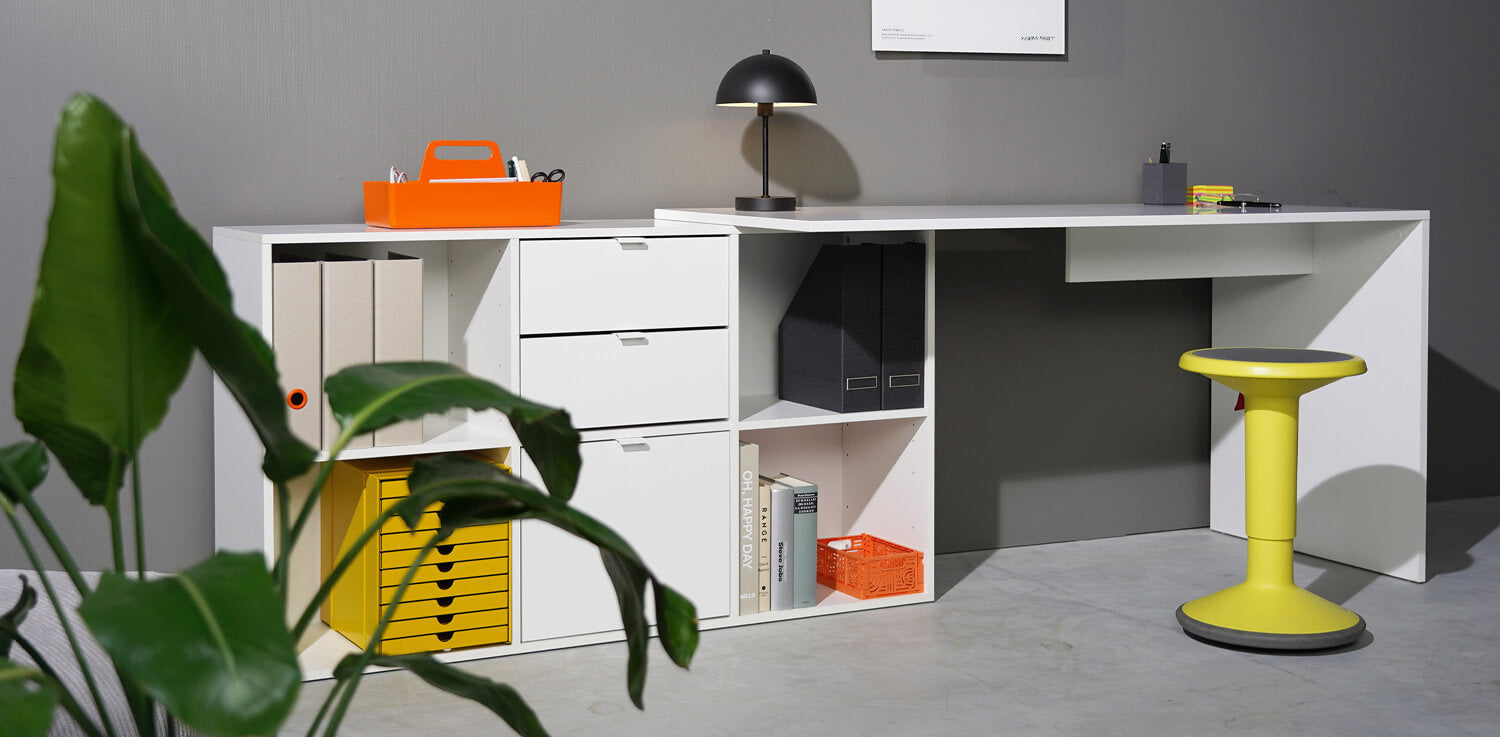
The desk is the central element in any home office. It should not only be functional but also reflect your personal style and fit seamlessly into your room design. When choosing the right desk, several factors matter: the size of your room, your work habits, and the workspace you need. A compact desk can be ideal in smaller rooms, while a spacious corner desk like 'Der Produktive' from mokebo offers plenty of space and integrates storage to keep things organized.
The right desk choice depends on your individual needs and available space. Think about which features matter most to you and choose the desk that best fits your work style and room.
Freestanding desk: Flexibility and style

A freestanding desk is the classic choice for many home offices. It can be positioned flexibly in the room and often offers a generous work surface with plenty of space for a computer, documents, and desk accessories. This type of desk works especially well in larger rooms where the desk can also serve as a focal point. However, if you have less space, there are also compact versions of freestanding desks that fit into smaller rooms or nooks.
Corner desk: Space-saving and functional

Corner desks like the 'Produktive' from mokebo are perfect for making optimal use of corners. They not only offer a large work surface but also extra storage in the form of integrated shelves or drawers. These desks are especially suitable for people who need lots of workspace or have to handle multiple tasks at once. Their L-shape enables efficient room use while creating a structured work area.
Desk with storage: Everything in one place

A desk with integrated storage is the perfect solution for anyone who likes to keep their work tools within reach while staying organized. These desks come equipped with drawers, shelves, or compartments where you can store your documents, office equipment, and other work essentials. They're especially practical in smaller rooms since they provide extra storage without requiring additional furniture.
Height-adjustable desk: Ergonomics and flexibility
A height-adjustable desk is the ideal choice for anyone who values ergonomics and flexibility. These desks can be adjusted to your individual height and allow you to alternate between sitting and standing. This not only promotes healthy posture but can also boost concentration and productivity. Height-adjustable desks are especially worthwhile if you spend long hours at your desk and want to prevent back pain or tension.
Multi-purpose cabinets and shelving: Storage in your home office

In addition to the desk, cabinets and shelving are essential pieces for making a home office functional and organized. They provide not only storage but also help create clear structure and order in the room.
The versatility of multi-purpose cabinets & shelving

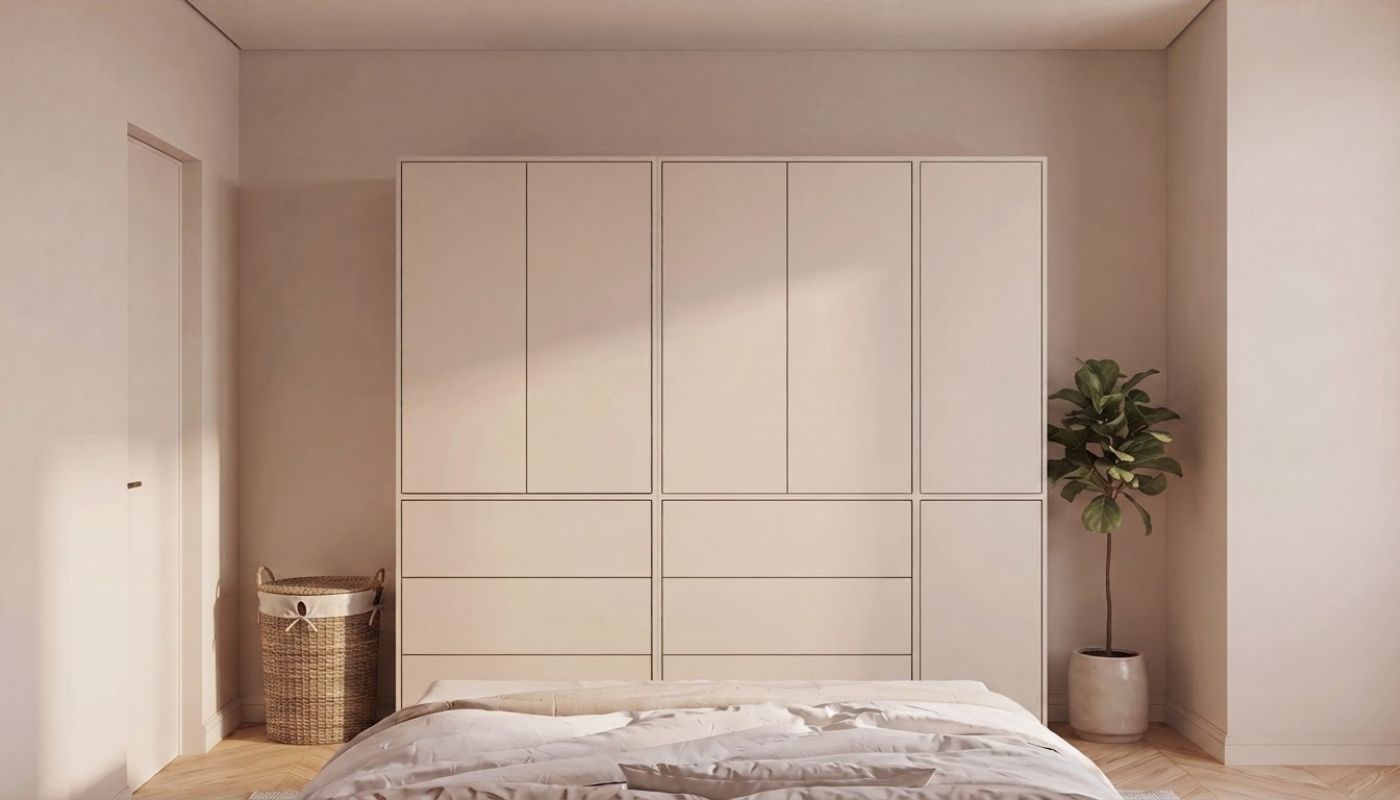
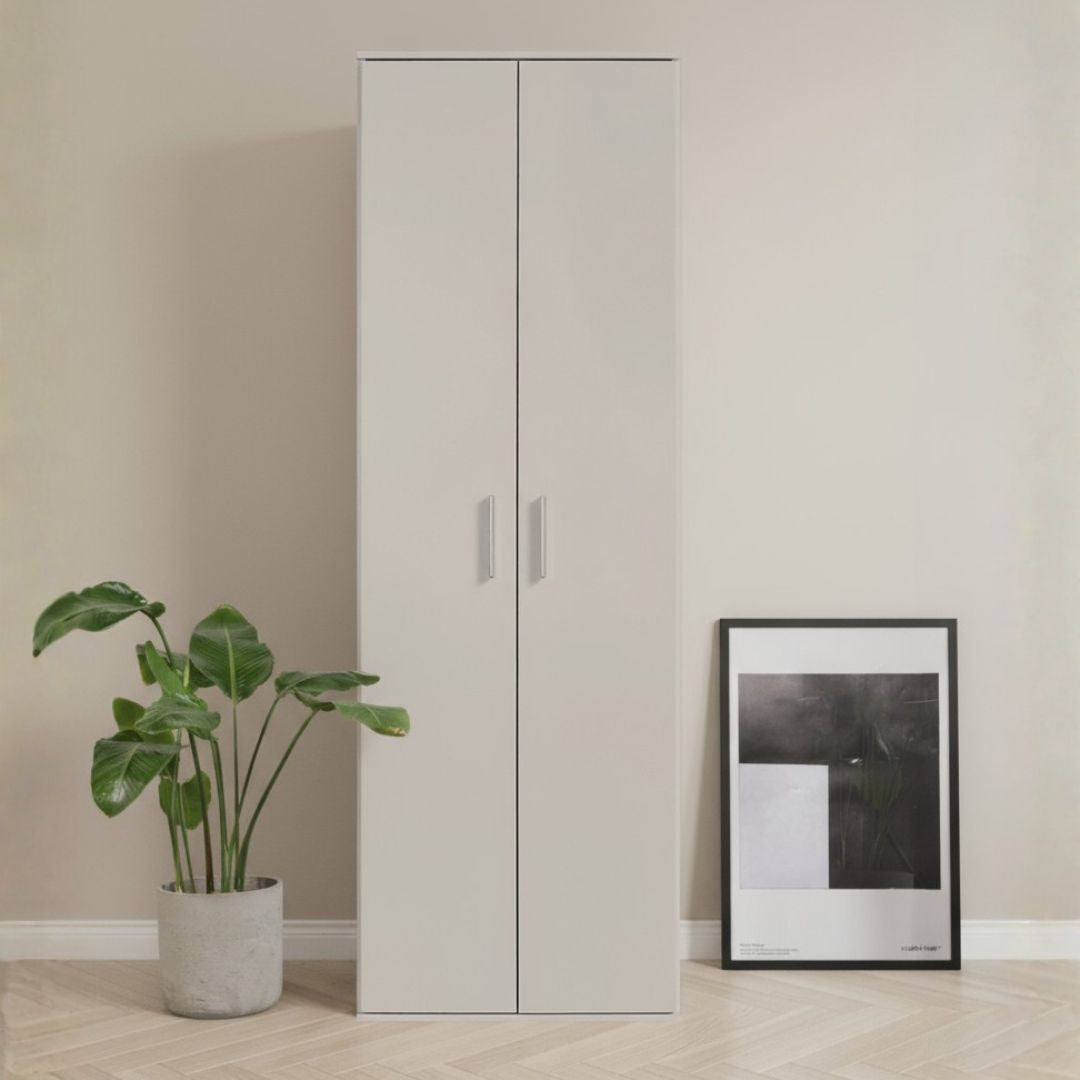
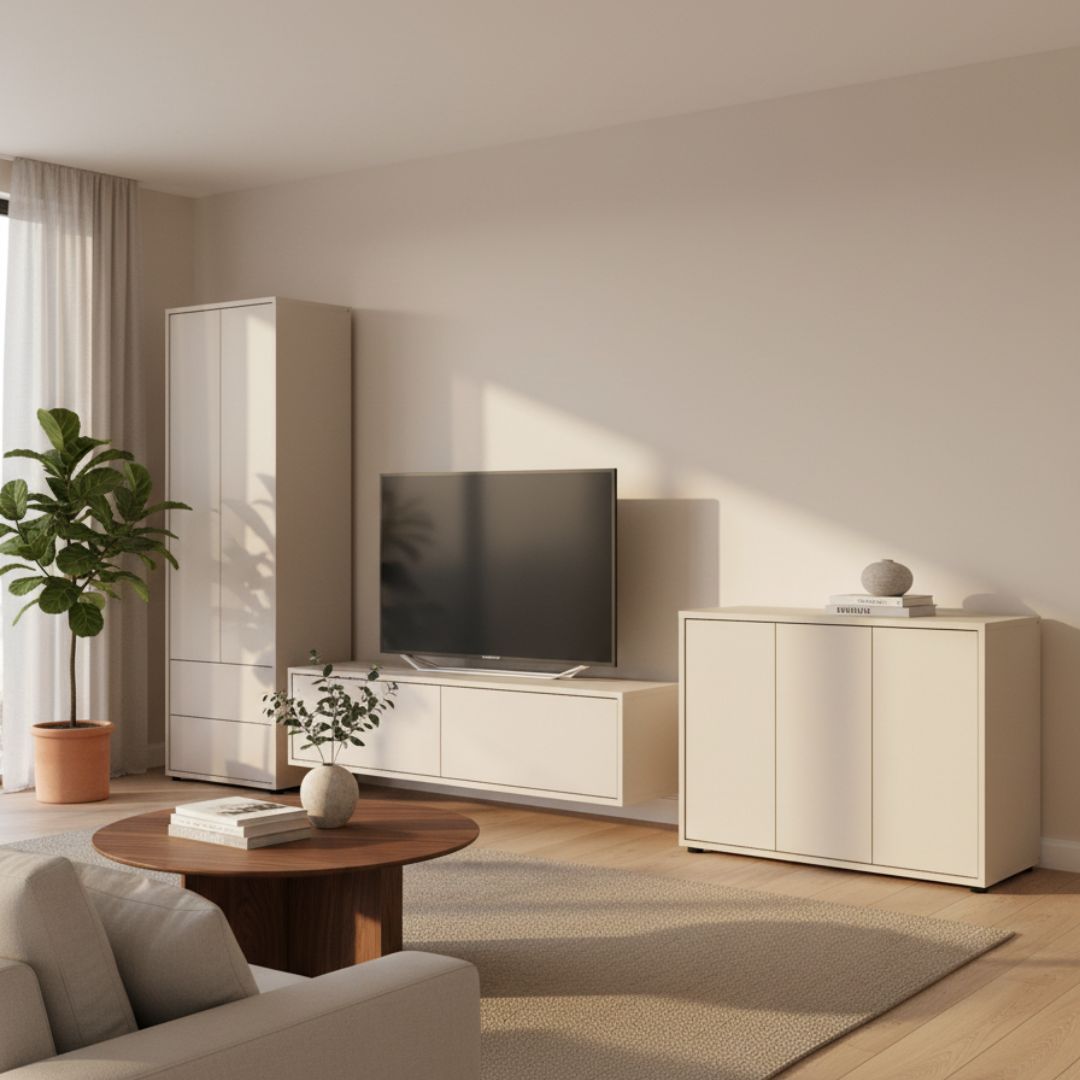
Multi-purpose cabinets like 'Der Lange' are true all-rounders. They can be used in different rooms—whether as an office cabinet, wardrobe, household, or display cabinet. These simple yet practical cabinets come in many variations: as a filing cabinet with doors, as a tall unit with compartments and drawers, as a corner cabinet, or as a mid-height cabinet. Flexible shelves let you make optimal use of storage space and adapt it to your storage needs.
Shelving is also a great addition to any home office. It provides not only extra storage but can also be used as a decorative element. An open filing cabinet like 'Der Bücherwurm' works especially well for stylishly displaying books, file folders, and decorative items. They create an organized yet inspiring environment where you'll feel comfortable.
The right office equipment: From lighting to office chairs
Beyond furniture, office equipment also plays an important role in designing your home office. Thoughtful lighting, ergonomic office furniture, and useful desk accessories help you focus on your work and be more efficient.
Lighting: A key factor for productivity
The right lighting is essential for a pleasant work environment. A well-lit workspace reduces eye strain and helps you stay focused for longer. A combination of natural light and artificial lighting is ideal. If you don't have access to enough daylight, daylight lamps can be a good alternative. Desk lamps are an absolute must to direct light onto your work surface.
Ergonomics and comfort: Office chair or stability ball at your desk

An ergonomic office chair is essential for preventing back pain and tension. Make sure your desk is set at the right height so your arms and legs are positioned at a 90-degree angle. An interesting addition to your home office is an ergonomic stability ball. Unlike traditional office chairs, a stability ball like 'Der Runde' promotes active sitting since you're constantly making small balancing movements to stay upright. This strengthens your back and abdominal muscles and can help prevent back pain and tension. The fabric-covered stability ball is ideal for short sitting periods, allowing you to regularly switch your sitting position and support a dynamic, healthy way of working.
Desk accessories: Practical organizing helpers
Your desk accessories should also be functional and well-organized. Cable management systems keep your workspace tidy and prevent you from constantly tripping over wires. File trays and filing systems help you keep important documents accessible and well-organized. These practical helpers prevent paperwork from overwhelming your desk and let you focus on what matters. Pencil holders keep pens, notepads, and other work supplies neatly stored and always within reach. By combining these organizing tools, your workspace stays clear and supports your workflow.
Inspiration for designing your home office

A well-designed home office should be not only functional but also inspiring. Use wall colors, decorative elements, and personal items to create an environment that nurtures your creativity and where you feel comfortable.
Color scheme and decoration
Choosing the right colors can greatly influence the mood and productivity in your home office. Light colors like white, gray, or pastels make the room feel larger and create a calm, focused atmosphere. Darker tones like blue or green can have a soothing effect and help reduce stress.
Decorate your home office with pictures, plants, and personal items that bring you joy and motivation. Plants not only improve air quality but also bring life and color to the room.
Room layout and multifunctional furniture
In small apartments, it's often challenging to set up a dedicated home office. This is where multifunctional furniture comes in. A sleeper sofa can serve as a seating area during the day and a guest bed at night. Room dividers like tall shelving can visually separate the space while providing storage. Make the most of every available inch to design your work area optimally. Also think about vertical space planning—shelves that reach the ceiling offer extra storage and help you use the room efficiently.
Setting up your home office with mokebo furniture

With the right furniture and thoughtful planning, your home office becomes a place where you can work efficiently and relax at the same time. The desks, multi-purpose cabinets, and shelving from mokebo give you the flexibility and functionality you need to design your workspace optimally. Whether you live in a small apartment or set up a spacious home office—with mokebo's furniture, you'll always find the right solution to improve your work environment and boost your productivity.
Frequently asked questions about setting up a home office
What do you need in a home office?
A well-equipped home office needs a desk, an ergonomic office chair, adequate lighting, storage like shelves or cabinets, and basic desk accessories like pens, notepads, and a filing system. Other helpful elements include cable management systems and ergonomic aids to create an efficient, organized workspace.
Where should a desk be positioned in a room?
A desk should ideally be near a window to benefit from natural light but not directly in front of it to avoid glare. A position that gives you a view of the room while offering minimal distraction is ideal.
What desk size is best for a home office?
For a home office, a desk size of at least 120 cm wide and 60–80 cm deep is recommended to provide enough space for a computer, documents, and other accessories. Larger desks from 160 cm wide offer more comfort and storage.